


 Deutsch
 English
 Español
 Français
 Nederlands
 Português


 Share
Share




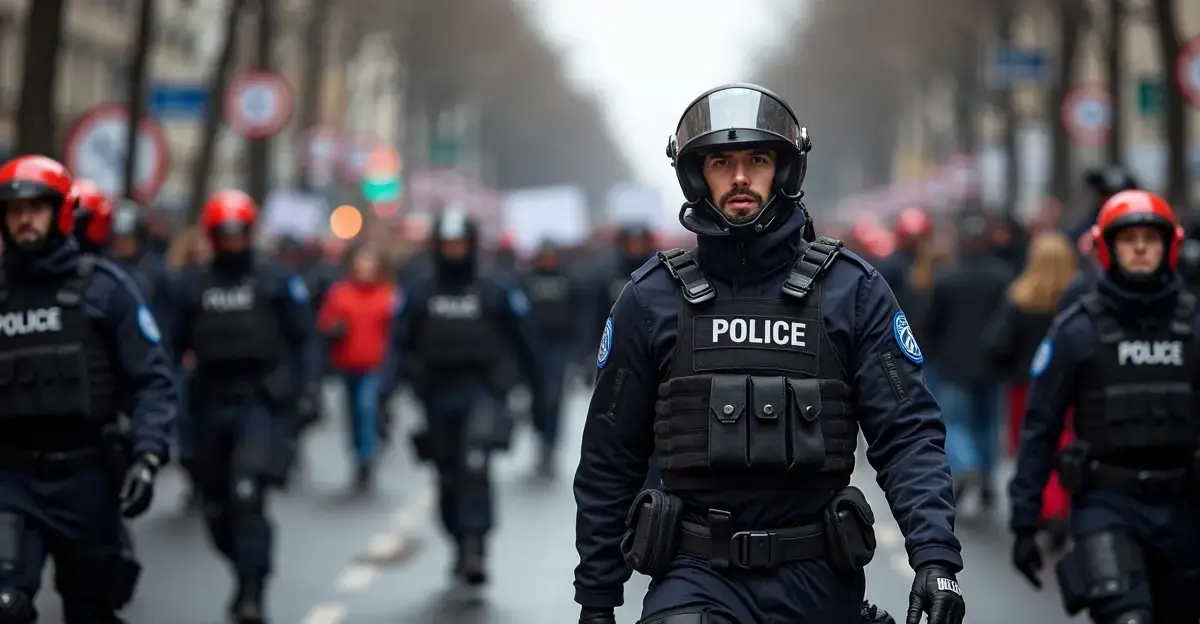
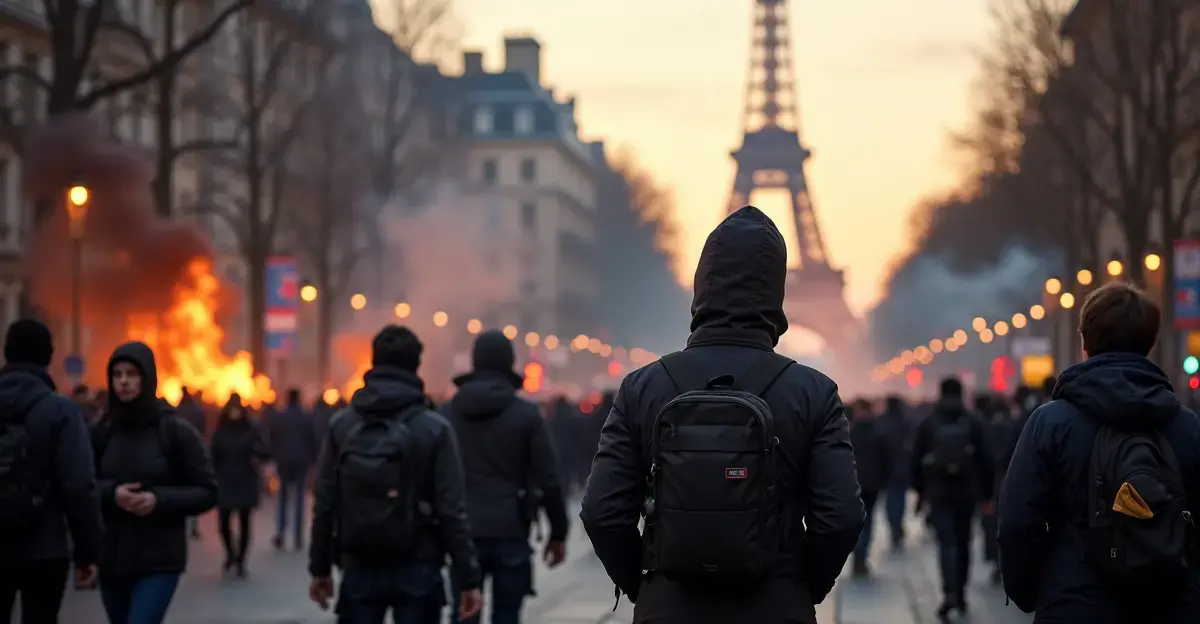
At least 27 people were injured and 164 arrested across France on Monday as student protests over overcrowded classrooms, teacher shortages and heavy workloads escalated into blockades at about 180 secondary schools. The France student protests, which began last week in the Paris region, have now spread nationwide and triggered a sharp political clash between Prime Minister Sébastien Lecornu and hard-left leader Jean-Luc Mélenchon just seven months before the presidential election.
What triggered the France student protests?
The movement started when lycée students blocked school entrances in the Île-de-France region to denounce chronic problems in the education system. Their main demands include:
- Smaller class sizes to reduce overcrowding
- More teachers to address the shortage
- Lower workload and better learning materials
- Investment in deteriorating school buildings
Le Monde reports that social media accelerated the movement, which is fueled by a sense of injustice and poor living conditions among teenagers. The French education funding crisis has left many schools struggling to cope.
How the protests spread across France
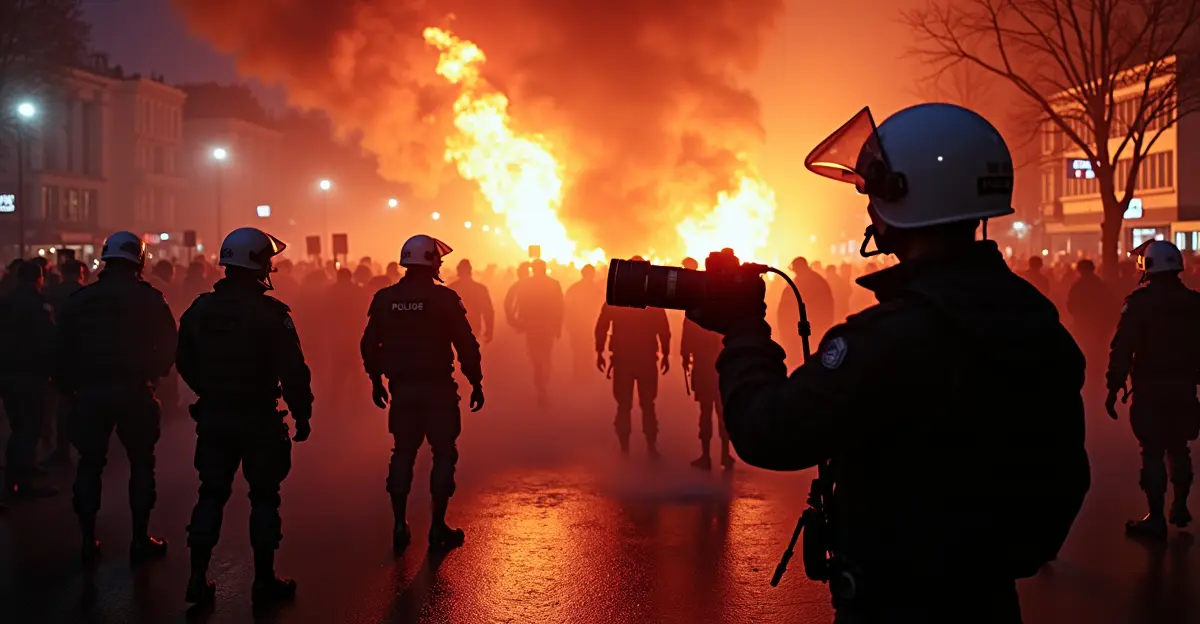
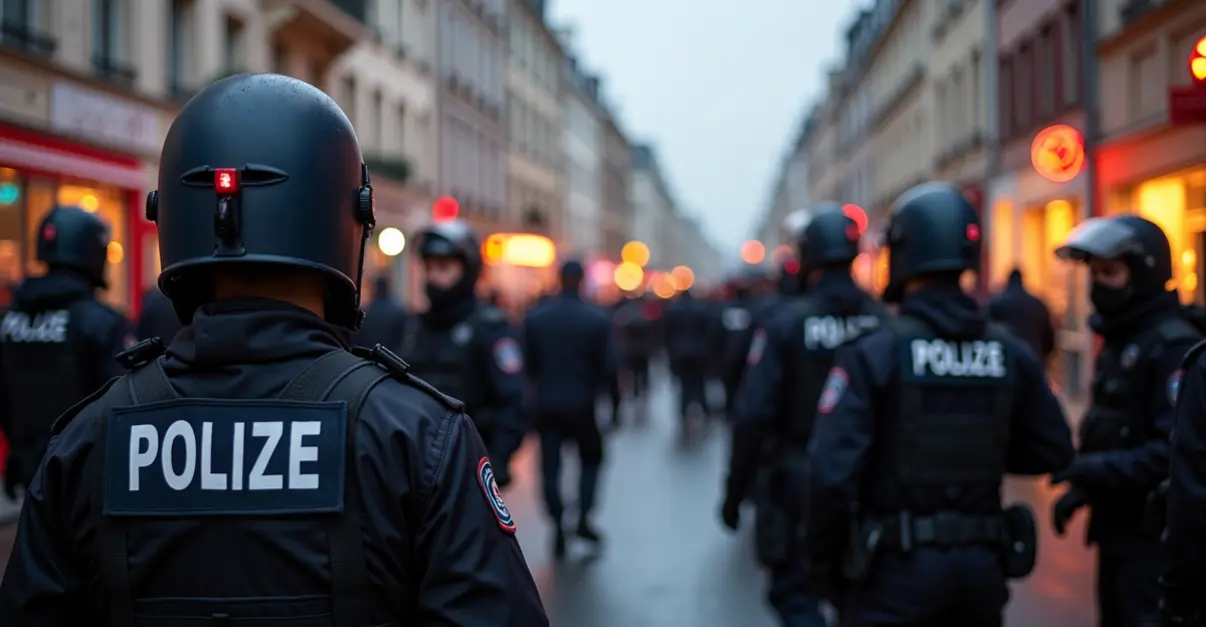
On Monday, action was reported at around 180 schools, including 28 in the Paris region and others in the southern Var and Alpes-Maritimes departments, Marseille, Lille and Sedan. Interior Minister Laurent Nuñez said 164 people were arrested and 27 injured, including 12 security officers, 12 students and three school staff. One student was hurt on her hands and face after hydrochloric acid was thrown at her, while fireworks were aimed at police and vandalism was reported. "The protests are no longer about the stated demands, but about violence in its purest form," Nuñez said. This escalation echoes youth protest movements in Europe where social media-driven demonstrations have turned confrontational.
Political clash over student blockades
Prime Minister Lecornu condemned the violence, writing on X: "Fireworks, fires and violence near secondary schools: nothing justifies endangering pupils, staff or police officers." He accused the radical-left France Insoumise (LFI) of fuelling the movement and called on its leader Jean-Luc Mélenchon to condemn the violence. Mélenchon pushed back, saying the students are not a threat and accusing the government of cracking down too harshly.
| Government position | LFI position |
|---|---|
| Condemns violence; accuses LFI of fuelling protests | Supports students; accuses government of harsh crackdown |
French presidential election polling shows Mélenchon is popular with younger voters: 41 to 45 percent of 18- to 24-year-olds would back him in the first round next year, ahead of Marine Le Pen in that age group.
What happens next?
A student union has called for new school blockades on Tuesday, coinciding with a nationwide public-sector strike by transport, healthcare and education workers against planned government budget cuts. With seven months until the presidential election, the unrest is likely to keep pressure on the government and sharpen the political debate over education funding and public services. Observers say the convergence of student and worker protests could broaden the movement in the coming days.
FAQ: France student protests explained
Why are French students protesting?
Students are blockading schools over overcrowded classes, teacher shortages, heavy workloads and deteriorating conditions in French lycées.
How many people were injured or arrested?
At least 27 people were injured and 164 arrested across France on Monday, according to Interior Minister Laurent Nuñez.
Which areas are affected?
Protests hit about 180 schools, including the Paris region, Var, Alpes-Maritimes, Marseille, Lille and Sedan.
What did the government say?
Prime Minister Lecornu condemned the violence and accused the France Insoumise party of fuelling the protests; Mélenchon denied wrongdoing and criticised the police response.
Will the protests continue?
Yes, a student union has called for new blockades on Tuesday, alongside a national public-sector strike.
Follow Discussion